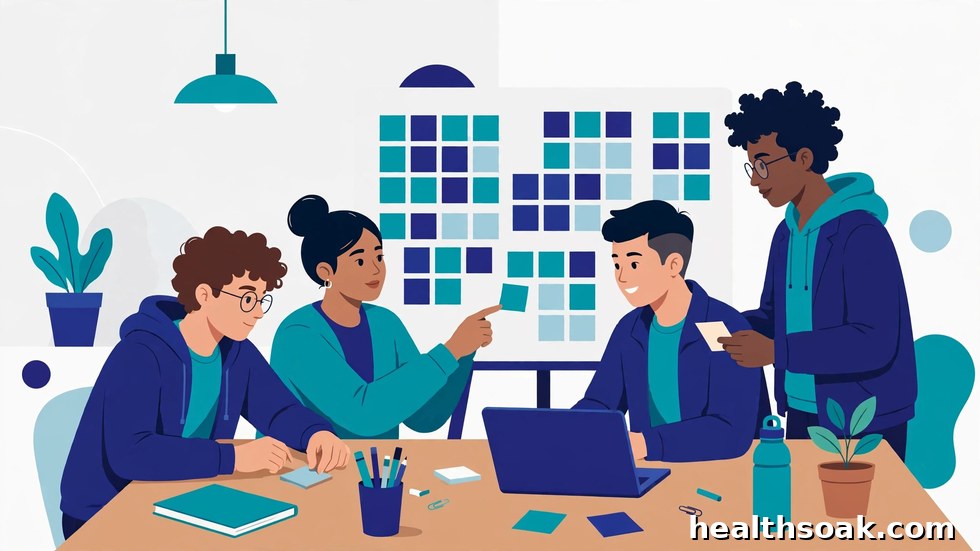
How to Study in Sprints: The Ultradian Rhythm Method

Most students study wrong. They sit down for four or five hours, books open, phone face-down, and assume more time equals more learning. By hour two their brain is foggy, by hour three they’re re-reading the same paragraph. In this guide you’ll learn the ultradian rhythm method: focused 90-minute study sprints separated by real recovery breaks, why this beats marathon …
Read more

The Cornell Note-Taking Method Explained

Most lecture notes are written to be forgotten. Students transcribe everything in a frantic linear stream, close the notebook, and reopen it the night before the exam — discovering 40 pages of undifferentiated text. The Cornell note-taking method, developed in the 1940s by Cornell professor Walter Pauk, fixes this with a page layout that bakes review and self-testing right into …

Read more

The Feynman Technique: Learn Anything Faster

There’s a special frustration in reading a chapter three times and still drawing a blank on the exam. The problem usually isn’t effort — it’s that recognizing information feels like understanding it, when the two are very different. The Feynman Technique, named after physicist Richard Feynman, is a four-step method that destroys this illusion by forcing you to teach what …

Read more

Speed Reading and Active Recall: Save Time Studying

Most students study by rereading textbooks and highlighting — the two techniques research consistently ranks as least effective. Two evidence-backed methods, speed reading and active recall, can genuinely cut study time while improving grades. Here is how to learn both without falling for the myths around them. Why Rereading Fails You Rereading feels productive because the material looks familiar. But …

Read more

Evening Routines to Prepare for a Productive Study Day

Productive study days are rarely won in the morning — they are won the night before. An evening routine clears tomorrow’s friction, calms a buzzing mind, and lets you wake up already knowing what matters. Students who end their day deliberately start their study sessions faster and waste less of the morning on decision-making. Why Evenings Matter More Than Mornings …

Read more